Article 29 caps the extension at the stay your visa already states: a 30-day annotation can reach 60 days in total and no further, and a second application is impossible rather than unlikely. The fee is RMB¥160, the deadline is seven days before expiry, and the counter issues a receipt valid for up to seven working days while a decision is made.
the sentence that decides all of it sits at the end of article 29 of the Exit and Entry Administration Law, after the procedural language, where people stop reading: 延长签证停留期限,累计不得超过签证原注明的停留期限. the total extension may not exceed the stay originally written in the visa. that is a ceiling on the whole arrangement, not a limit per application, and it converts a negotiation into a subtraction.
the practical shape is easy to see once you apply it. a tourist visa annotated for thirty days can reach sixty, in one extension of thirty. a visa annotated for ninety can reach one hundred and eighty at most, still subject to the category ceiling below. and a stay already extended once sits at the cap, which is why the second visit never happens: the officer is not weighing your reasons, the number has run out.

The cap that overrides everything
three limits apply at once, and the smallest one wins. the first is the category ceiling from the immigration administration's application guide, which differs by visa letter and runs from thirty days to one hundred and eighty. the second is the cumulative cap in article 29, which stops the total at the stay originally granted. the third is the judgement of the reviewing officer, who must find the reason reasonable and sufficient before either of the first two matters.
in most real cases the second limit is the binding one, and it is the one people have never heard of. forum advice tends to describe the category ceiling as if it were renewing every time you ask, which produces the expectation that a thirty-day visa extends to ninety across two visits. it does not. the first extension brings you to sixty and closes the file.
the same article fixes the timing in language that reads stricter than practice. the application goes in seven days before the stay expires, at the exit and entry administration of the public security organ at or above county level in the place where you are staying. seven days is a floor rather than a window: filing on day twenty-eight of a thirty-day stay is legal, filing after expiry is not, and filing three weeks early is usually refused because the officer cannot yet see the reason the trip is running long.
What each visa category can get
the ceilings below come from the immigration administration's guidance on extension evidence, which is more specific than anything in the statute. they are maximums, not entitlements, and each row names the document that carries the argument.
| Visa | Who holds it | Evidence for the extension | Maximum added |
|---|---|---|---|
| L (tourist) | Tourists, including group tours | Travel itinerary; group tours also need the agency's letter | 30 days |
| M (trade) | Commercial and trade visits | Letter from the host company or individual; unregistered hosts add their registration certificate | 180 days |
| F (exchange) | Visits, study tours, other non-commercial exchange | Letter from the inviting or hosting organisation | 180 days |
| Q2 (family visit) | Visiting Chinese citizens or permanent residents | Sponsor's letter, identity document and proof of family relationship | 180 days |
| S2 (private affairs) | Visiting foreign residents, or handling personal matters | For family: sponsor's letter, residence permit and relationship proof | 180 days for family, 90 days for other matters |
| R (talent) | High-level specialists | Letter from the inviting or hosting organisation | 180 days |
| C, G, J2 | Crew, transit, foreign journalists on short assignments | Transport operator's letter, confirmed onward ticket, or the provincial foreign affairs letter | 30 days |
the tourist row is where the numbers collide most often. thirty days of category ceiling against a thirty-day stay means most single-entry tourist visas get one clean month of extra time and nothing beyond it, while a tourist visa issued with a sixty or ninety day stay has room to use the full thirty. if you are planning around an extension, the number to look at is the one printed after 停留期限 on the visa page, not the validity dates of the visa itself.
business visitors have more slack than they expect. an M visa extension can run to one hundred and eighty days, which is why the pattern of a short entry followed by a long trade visit exists at all; the constraint moves from the calendar to the host company's willingness to write the letter and produce its registration certificate. the same applies to F and Q2, where the ceiling is six months and the paperwork does the arguing.
the boundary between this and long-term residence is the residence permit, which is a different document with a different clock. if the plan is work, study or family reunion rather than a longer holiday, the route is the residence permit, applied for within thirty days of entry, and the extension counter is the wrong queue. the visa categories themselves are set out in the visa guide; the work route in the work permit guide.
The entries that cannot be extended
article 34 draws the line that catches the largest number of people: a foreign national who entered without a visa and needs to stay past the visa-free period applies for a stay permit, not for an extension. that covers the 240-hour transit arrangement, the unilateral thirty-day entries, and the regional schemes. the stay permit is a separate document with its own conditions and a ceiling of one hundred and eighty days, and it is not available simply because a trip went well.
the difference matters because the two look interchangeable in conversation and are not. an extension amends a visa you already hold. a stay permit is issued to someone who holds no visa at all, and article 34 limits it to defined situations rather than to preference. for a visa-free arrival whose plans changed, the ordinary answer is to leave and come back on a fresh entry, and the ordinary destination for that is Hong Kong or Macau, which counts as leaving the mainland and where a new visa can be obtained.
there is one more group that reads this page and should stop: holders of a residence permit for work, study or family. the permit is extended under article 32, at least thirty days before it expires, and the process involves the employer or school rather than a travel itinerary. the extension of a permit is a renewal of status, not of a visit.
Which office, in which city
the statute names the place of stay, and it means the city you are in on the day you apply rather than the airport you flew into or the city on your first hotel booking. a traveller who arrived in Shanghai, went south, and decided in Kunming to stay longer applies in Kunming. this is the opposite of the residence permit, which follows the place you intend to reside and is tied to an employer or a school in that city.
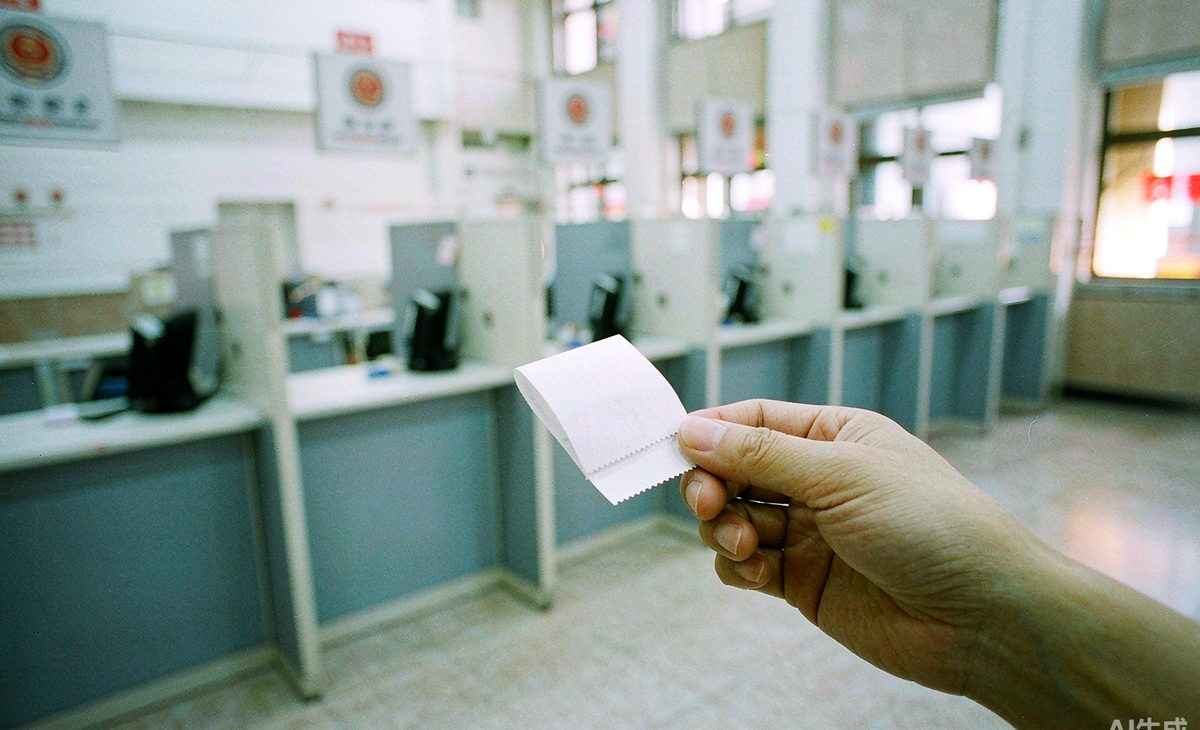
the office itself is the exit and entry administration of the public security bureau at county level or above, usually a dedicated foreigners' services hall rather than a neighbourhood station. in larger cities these halls run appointment systems through the immigration administration's app and its WeChat and Alipay mini-programs, and the appointment is worth taking: walk-in queues at a municipal hall can consume a morning.
applications are made in person as a rule, with three exceptions that let someone else attend: applicants under sixteen or over sixty, or unable to travel because of illness; applicants who have entered more than once and whose record in China is clean; and cases where an inviting organisation or individual has given a written guarantee for the applicant's expenses. outside those, sending a friend with the folder does not work, and the counter will say so at the window rather than by email.
Four documents, one common rejection
the list is short and the failures are boring. a valid passport with the visa inside, the application form, one photograph meeting the specifications in the exit and entry document photography guidance, and the proof that matches the category you are extending. originals are shown and copies are handed over, so bring both.
the rejection that recurs is the photograph, because the specification is specific about background, head size and recency and the counter applies it without discussion. the second is the proof, in the case where the stated reason and the document disagree: an itinerary that ends before the requested extension, or a host letter that names a different company from the one on the invitation used at the visa stage. the officer is required to verify the genuineness of the stated reason, and may do it by interview, by telephone or by calling the host.
one habit saves a second trip. keep a copy of everything you hand over, including the receipt, and photograph the visa page before the passport is retained. the passport number, the visa number and the annotated stay are the three fields every later conversation will ask you for.
Seven days before, seven working days after
the two sevens are not a coincidence. the application must be filed at least seven days before expiry, and the receipt issued at the counter is valid for up to seven working days, during which the authority decides. the same receipt is what makes the timing safe: if the officer retains your passport, the slip is your legal status in the country for as long as it runs, and you can travel domestically and check into hotels with it.
that has a consequence for planning. do not book an international flight out before you have the passport back, and if you need it in the meantime, ask for it temporarily and return it before the receipt expires. the decision itself is usually faster than the ceiling suggests, and in busy halls the collection slot is the real queue rather than the review.
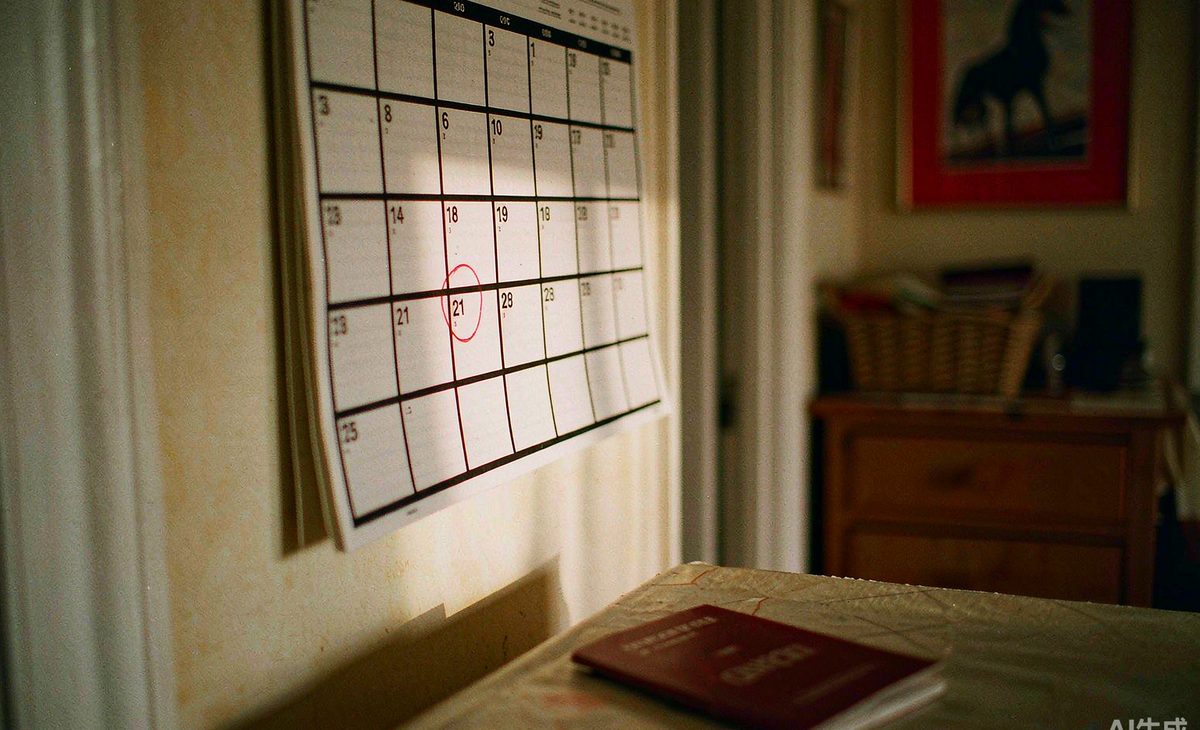
where the application is refused, the law is explicit that you leave on time, and the refusal is not appealable in a way that buys days. the practical fallback is the one described above: exit to Hong Kong or Macau or to a third country, and re-enter on a new visa or a fresh visa-free entry if you qualify for one.
What waiting costs
the extension costs RMB¥160, charged under the national fee schedule rather than by the city, and it is the same amount whether the extension is for thirty days or one hundred and eighty. relative to almost any other cost in a long trip it is trivial, which is why the expensive mistake is not the fee but the date.
a stay that runs past its annotated expiry is illegal residence from the day after, and article 78 prices it at RMB¥500 per day up to a cap of RMB¥10,000, with detention between five and fifteen days for the serious cases. the tiers, the counting rule and the effect on later visa applications are covered in the residence permit guide, because the same article governs both, and the pattern worth knowing is that the counting starts after a short grace period rather than on the first day.
an application filed after expiry does not undo that. the officer can accept the file and still record the overstay, and the record follows the passport into the next application at a consulate abroad. for anyone who intends to come back, the RMB¥160 paid a week early is the cheapest line item in the whole trip.
When extending is the wrong tool
three situations look like extension cases and are not. the first is a job offer that arrives mid-trip: that path runs through the Z visa and the work permit, and in most cases through a departure and a re-entry rather than a counter visit. the second is a family plan that turns into a longer stay with a Chinese spouse or parent as sponsor, which belongs to the Q or S route and its residence permit. the third is a trip that simply needs two more weeks of holiday, where a flight to Hong Kong and a new entry is often cheaper in time than the appointment, the photographs and the collection slot.
the honest summary is that this counter serves one purpose well: a genuine, documented reason to stay a defined number of extra days, filed inside the final week, with the paperwork to prove it. everything beyond that is a different procedure wearing the same name.
Common questions about extending a visa
Can I extend a visa-free entry?
No. Article 34 sends visa-free arrivals who need more time to a stay permit rather than a visa extension, and limits that document to defined situations rather than to convenience. For a 240-hour transit entry or a unilateral 30-day entry, the ordinary route is to leave the mainland and re-enter on a fresh entry, most commonly via Hong Kong or Macau.
How long can a tourist visa be extended?
Up to 30 days, subject to the cap in article 29: the total extension may not exceed the stay originally annotated in the visa. A 30-day tourist entry therefore reaches 60 days and stops there. A tourist visa issued with a 60 or 90 day stay has room to use the full 30 days.
Can I extend twice?
Not as a rule. The cumulative cap is what prevents it, not the officer's discretion. Once the extension has brought your total stay up to the figure originally written in the visa, the arithmetic is closed, and a second application has nothing left to grant.
How early should I apply?
At least seven days before expiry, as article 29 requires, and inside that final week in practice. Filing much earlier is often refused because the reason for the longer stay has not yet materialised in a form the officer can document. Filing after expiry is an overstay, whatever the outcome of the application.
What happens if my visa expires while the application is being processed?
The receipt covers you. The counter issues it on acceptance, it stays valid for up to seven working days, and if your passport is retained the receipt is your legal status in the country meanwhile. Keep it with you and do not book an international departure before you have the passport back.
Do I have to appear in person?
Yes, with three exceptions: applicants under 16 or over 60 or unable to attend through illness; applicants who have entered more than once with a clean record in China; and cases where an inviting organisation or individual has provided a written guarantee for expenses. Otherwise the applicant attends, and the fingerprint or identity check happens at the window.
How much does the extension cost?
RMB¥160. The figure comes from the national schedule for foreign visa fees, not from the city, and it is the same whether the extension runs 30 days or 180. Payment is taken at the counter, and the receipt for the fee is separate from the receipt that covers your legal stay.
Can I work while on an extended tourist visa?
No. An extension lengthens a visit; it does not change what the visa permits. Any work requires the Z visa and work permit route, and the residence permit that follows. Working on a tourist status falls inside the definition of illegal employment, and it is treated as a separate offence from the overstay.