walk through any chinese city after ten at night and the loudest thing is not danger. it is light, delivery scooters, closed-circuit cameras on every second pole, and food queues full of people who stopped noticing the hour years ago. the question "is china safe" usually gets answered with either a tourism slogan or a scary headline, and both are wrong. the honest version has numbers, a short list of tricks aimed at visitors, one genuinely underrated hazard, and a pair of legal rules that have nothing to do with crime but still ruin trips when ignored.
this page goes through all four, in that order. every statistic below traces to the survey or ministry that published it, checked 16 October 2026. if you are still assembling the trip itself, the before-you-come prep guide walks the whole timeline from visa to first hour on the ground.

What the safety numbers actually say
two independent sources describe the same country, and neither is a tourism board.
the first is the Gallup Global Safety Report, an annual survey covering more than 145,000 adults across 144 countries and territories. its 2025 edition placed China third in the world on the share of residents who say they feel safe walking alone at night, at 94 percent, against a global average of 73. on Gallup's composite Law and Order Index, which folds in trust in police and personal experience of theft and assault, China scored 93 out of 100, fourth globally. for calibration: the United Kingdom and the United States both scored 84 on the same index.
the second source is the Ministry of Public Security, which reported at a State Council press conference in July 2026 that criminal cases in the first half of the year fell 16.5 percent year on year, with cases of theft, fraud and robbery down 38.9 percent to 307,000 filings, and homicides at their lowest level on record. those are domestic statistics, but they describe the environment a visitor walks into, not a special tourist bubble.
the flow of people is the third number, and it is the one skeptics should weigh most. 22.91 million foreign nationals entered China in the first half of 2026, up 20.4 percent on the previous year, per the National Immigration Administration, with visa-free entries making up more than three quarters. countries do not absorb that many repeat visitors while being unsafe for them; word travels faster than marketing.
| Indicator | Figure | Source |
|---|---|---|
| Feel safe walking alone at night | 94% (3rd globally; world average 73%) | Gallup Global Safety Report 2025 |
| Law and Order Index | 93/100, 4th globally | Gallup Global Safety Report 2025 |
| Criminal cases, first half 2026 | down 16.5% year on year | Ministry of Public Security |
| Theft, fraud, robbery filings, first half 2026 | 307,000 cases, down 38.9% | Ministry of Public Security |
| Foreigner entries, first half 2026 | 22.91 million, up 20.4% | National Immigration Administration |
none of this means zero risk, and the rest of this page is about the specific risks that do exist. the pattern to keep in mind: violent crime against visitors is genuinely rare, property crime is situational, and the things that actually go wrong are usually avoidable with habits you already have.
Street crime: what happens and where
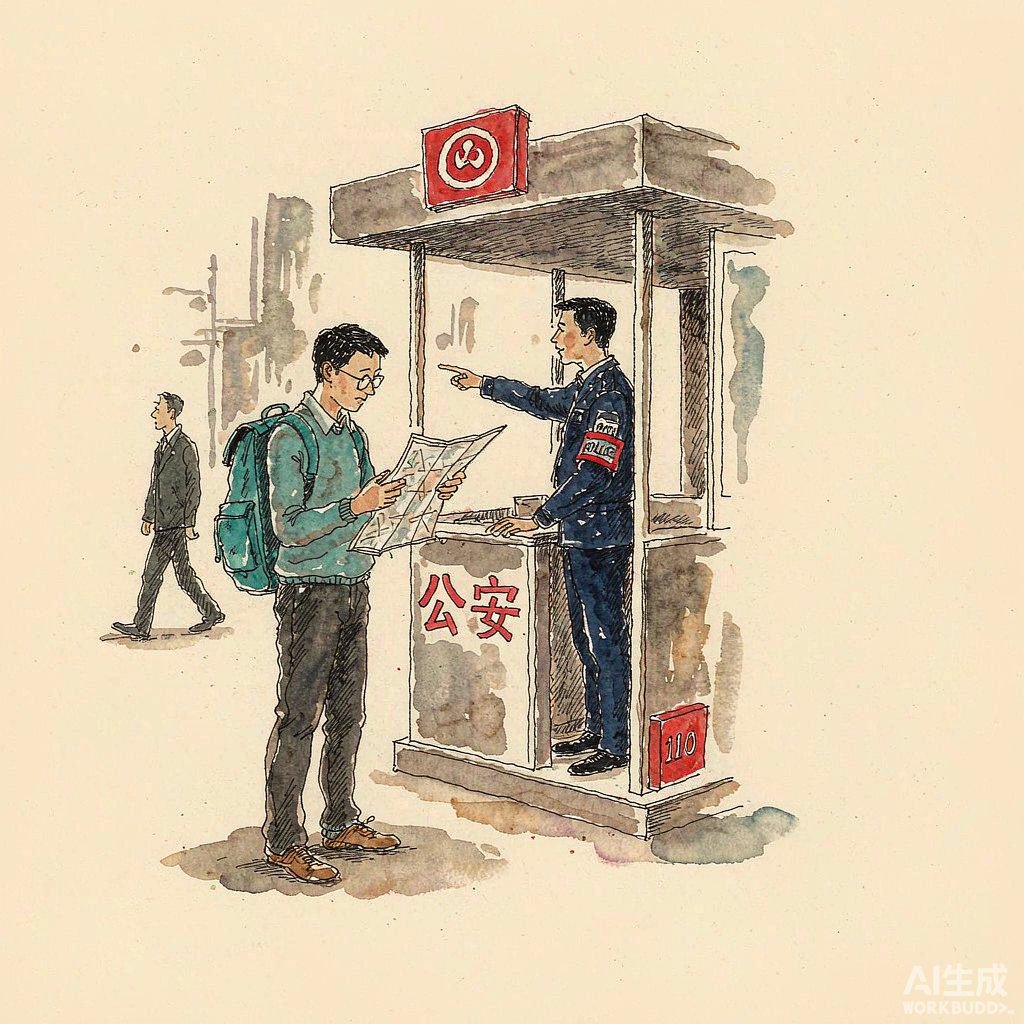
the street crime that does occur concentrates in predictable places: major train stations at peak hours, night markets, packed metro cars, and the queues around the biggest sights. pickpocketing exists there, though at levels well below what a European city-break veteran is used to. the standard repertoire applies: zipped bags worn in front in dense crowds, phones not left on restaurant tables, and a little attention when someone creates a commotion in a queue.
what surprises most first-time visitors is the absence of the things they brace for. no aggressive street begging, no open drug scenes, and none of the late-night aggression that shapes how people walk in many Western cities. leaving a laptop on a café table while you order at the counter is a common local habit, not a gamble. the police presence is visible and the surveillance network is dense, which is worth knowing for privacy reasons as much as safety ones, but on the street it means opportunistic theft draws a fast response.
cash is the smallest target of all, because you will barely use it. payments live in Alipay or WeChat Pay, which means a stolen wallet costs you a card cancellation rather than a vacation's worth of banknotes.
The scams worth knowing before you land
China's tourist scams are fewer in variety than those of most major destinations, and foreign governments' travel advisories describe essentially the same short list. they are all avoidable with one reflex: a stranger who approaches you in English near a major sight and steers you somewhere is selling something.
the tea house and art student invitation. the classic. friendly locals invite you to practice English, then to a tea ceremony or an art gallery, and the visit ends with an inflated bill or pressure to buy worthless goods. government advisories from Canada and Ireland describe it in identical terms. decline invitations from strangers near tourist hubs and the whole category evaporates.
the meterless taxi. at airports and stations, a driver may quote a flat price or claim the meter is broken. ride-hailing through DiDi sidesteps the entire negotiation because the price is fixed in the app before the door closes.
the switched QR code. stickers over legitimate payment codes, mostly on shared bikes and small stalls. scan codes printed on the official frame or the app's own screen, not a paper sticker that looks pasted over something.
the fake police phone call. callers claiming to be police investigating your identity or bank accounts, asking for transfers. real officers do not take payment over the phone. hang up, and if you want certainty, walk into any police station instead.
the too-cheap tour. China's own Ministry of Culture and Tourism publishes batches of enforcement cases about forced shopping and abandoned tour groups, and the pattern in them is consistent: rock-bottom tour prices recovered through commissioned stops at shops, sometimes with threats when sales fall short. the official advice is to book through licensed agencies, sign and keep the contract, and walk away from deals assembled through unofficial channels. independent travelers booking their own trains and hotels meet none of this.
Traffic: the most realistic daily hazard
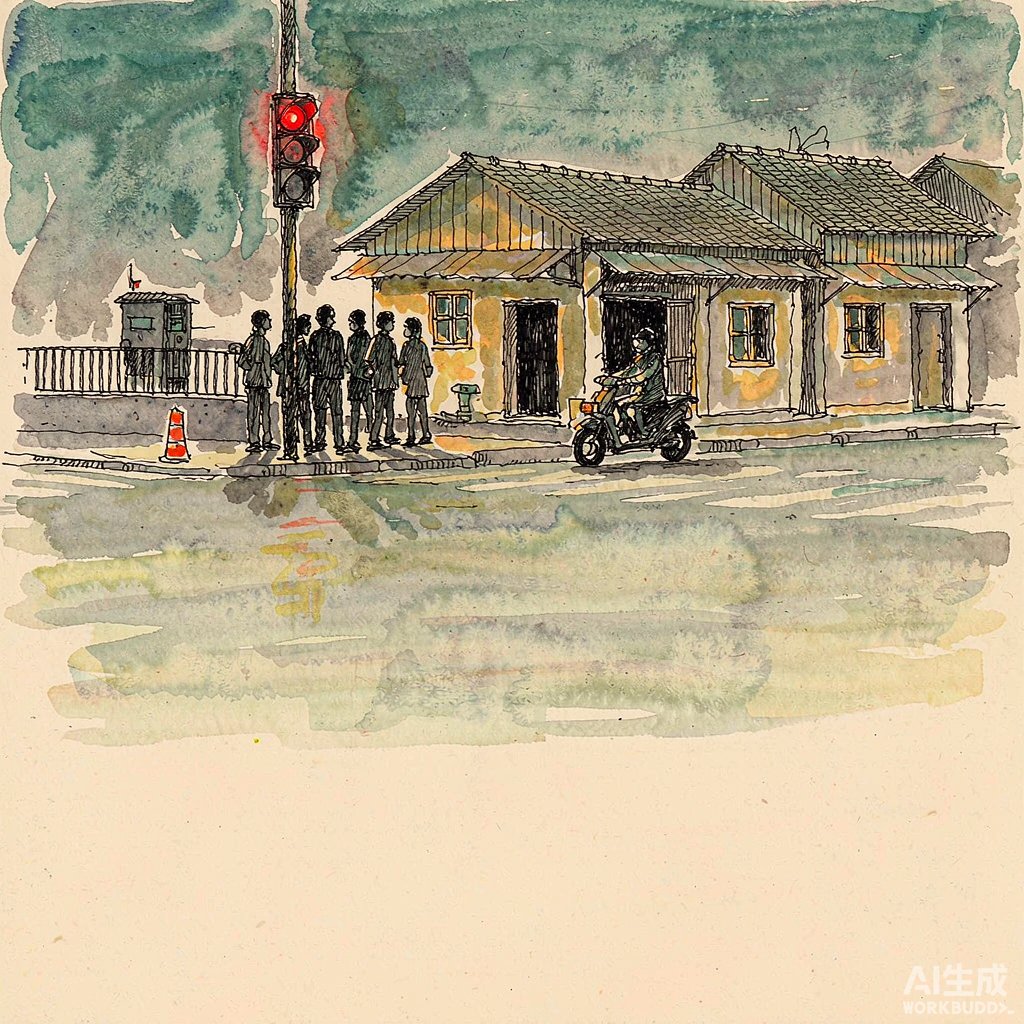
here is the part travel forums underplay. the most likely way to get hurt in China has nothing to do with crime. it is traffic, and specifically the electric scooters that move fast, quietly, and sometimes on the sidewalk or against the light. the Ministry of Public Security reported that serious road accidents fell 8.8 percent in the first half of 2026, but the riding culture around crosswalks takes a few days of adjustment, and a quiet e-bike at your shoulder is genuinely hard to hear.
the working habits are simple. at crossings, look both ways even on a green pedestrian light, because turning vehicles cross your path and scooters may not stop. listen as well as look. on shared bikes, check that the QR code is the printed frame sticker rather than a paper overlay, the one scam in this section that touches equipment rather than money. if you rent a car or plan to drive, the rules are stricter than most visitors expect, and the driving in China guide covers why a foreign license alone will not do.
Solo and female travellers
solo travel, including solo female travel, is thoroughly normal in China, and the survey data is blunt about why: that 94 percent night-walking figure in the Gallup report is measured on the general population, women included, in a country where women routinely walk home alone past midnight in the big cities. street harassment is rare enough that visitors comment on its absence.
the practical layer looks like anywhere else. share your ride status with a friend, which DiDi supports natively for any trip. pick licensed hotels with reviews, keep an eye on your drink in bars and clubs, and trust the same instincts you use at home. women who travel widely in China most often describe feeling safer than in comparable Western cities, especially after dark, and nothing in the crime statistics contradicts them.
Police checks, passports and registration
two pieces of law shape everyday life more than any crime statistic, and both come from the Exit and Entry Administration Law.
carry your passport. article 38 requires every foreigner aged 16 or above to carry their passport or residence permit while in China and to present it when police check. checks are routine and usually quick, occasionally at hotels in the evening, and they are compliance procedure, not suspicion. a photocopy in your bag is sensible; the original is the legal standard.
register where you sleep. article 39 requires that hotels register foreign guests, which every licensed hotel does automatically at check-in. the trap is everything that is not a hotel: a friend's apartment, a short-term rental, a homestay. there you or your host must register with the local public security bureau within 24 hours of arrival, and skipping it is a violation even when nobody notices at the time. Beijing, Shanghai, Hainan and Chongqing already run online self-registration, other cities accept the report at community police stations, and the process typically takes minutes. the government's own guidance for visa-free visitors confirms this applies to everyone, and the arrival card hands you the reminder in writing.
for anything involving visas, stays or permits, the National Immigration Administration runs the 12367 service hotline around the clock with multilingual staff, and answers email at [email protected]. the China visa guide maps out which entry route you are on.
Emergencies: who to call
the emergency numbers are short, free, and dialed without area codes from any phone, per the national public safety guidance:
| Number | For |
|---|---|
| 110 | Police (crime, accidents, general emergencies) |
| 119 | Fire |
| 120 | Medical ambulance |
| 122 | Traffic accidents |
110 accepts reports for everything from theft to lost persons, and the call is free from any phone including payphones. the operator on the other end may not speak English in every city, so have a translation app ready or ask a local to help; the translation tools guide covers which ones work offline. for immigration-specific questions the 12367 hotline handles multiple languages by design.
if you lose your passport, report to the police for a record, then contact your country's embassy or consulate in China for replacement documents. embassies also handle the serious cases: arrests, hospitalizations, victims of crime. save their number before you fly, not after.
The risks nobody puts in a headline
the realistic bad day in China is not a mugging. it is a dead phone at 2 percent, in a city where payments, maps, taxis and tickets all live on that phone. carry a power bank, and keep a few hundred RMB¥ in cash as a hard backup, enough for a metro ticket and a taxi if everything else fails. the packing guide lists the power bank rules for flights and trains.
tap water is not drinkable anywhere in the country; bottled water is cheap and sold on every corner, and hotel kettles exist precisely for this. air quality varies by city and season and is worth a glance if you have respiratory sensitivities, though it has improved markedly over the past decade.
two legal notes round out the list. some areas of the country require prior approval for foreign visitors to enter, per article 44 of the same law, so check ahead for any region you plan to explore beyond the standard tourist routes. and internet access differs from home: many Western apps and sites do not load on mainland networks, which is a logistics problem rather than a safety one, covered honestly in the blocked apps guide.
Common questions
Is China safe for American tourists?
Yes, with the same caveats as for any visitor. Americans are a common sight in the major cities, and the crime statistics do not single out any nationality. The practical differences for US travelers are practicalities, not dangers: payment apps to set up, some apps that will not load, and the registration rule for non-hotel stays. Standard city awareness covers the rest.
Is China safe for solo female travellers?
Widely regarded as one of the easier countries for it. The Gallup survey's 94 percent night-safety figure includes women, street harassment is rare, and solo female travel is a mainstream local norm, not an exception. DiDi's ride-sharing feature and ubiquitous CCTV add a practical safety net. The usual precautions apply, nothing more exotic.
Is it safe to walk around Chinese cities at night?
Yes, and this is the single most consistent observation first-time visitors make. Well-lit streets, active late-night foot traffic and a visible police presence mean walking at 11pm in central Shanghai or Chengdu feels calmer than in most Western capitals. Quiet side streets late at night deserve ordinary caution, as anywhere.
Is China safer than the US?
On personal safety metrics, the surveys say yes. Gallup's 2025 report puts China ahead of the US on both feeling safe at night (94 percent versus 71 percent) and the Law and Order Index (93 versus 84). Homicide rates differ by more than an order of magnitude in the official statistics. Gun violence, a defining US risk, is effectively absent in China. Traffic injury is the one category where neither country gets to relax.
What emergency number do I call in China?
110 for police, 119 for fire, 120 for an ambulance, 122 for traffic accidents. All are free, dialed directly without area codes from any phone. 110 handles general emergencies if you are unsure which you need. Expect a language barrier in some cities, so keep a translation app handy.
Do I need to register my accommodation in China?
Hotels register you automatically. If you stay anywhere else, a friend's place, a rental, a homestay, the law requires you or your host to register with the local police within 24 hours of arrival. Beijing, Shanghai, Hainan and Chongqing offer online self-registration, and elsewhere it is a short visit to a community police station. Skipping it is a legal violation regardless of whether anyone checks. The registration clock and the other figures a newcomer gets asked about sit in China by the numbers.
Are taxis in China safe for foreigners?
Yes, and the main risk is billing rather than safety. Licensed taxis are metered and honest in the overwhelming majority of cases; the exceptions cluster at airports and stations. Using DiDi removes the ambiguity entirely with a fixed in-app price, driver identification, and a trip-sharing feature worth turning on at night.
What happens if the police check my passport?
Nothing, if you are carrying it. Article 38 of the Exit and Entry Administration Law requires foreigners 16 and over to carry their passport or residence permit, and checks are routine compliance procedure at hotels, stations and occasionally on the street. Present the document, answer briefly, and be on your way. A refused check, or an expired stay, is where the situation changes, so keep the passport on you and mind your visa dates.
Is tap water safe to drink in China?
No. Tap water is not considered drinkable anywhere in mainland China, and locals boil or filter it too. Bottled water is inexpensive and universally available, hotels provide kettles, and restaurants serve tea or hot water by default. Brushing teeth with tap water is generally fine; drinking it is not the local habit for good reason.
a closing thought on proportion. the risks worth your attention in China form a short list, and none of them is the one the question assumes: scam a stranger out of a tea ceremony fee, get clipped by a silent scooter, run a phone flat, or skip a registration form. the violent crime that shapes urban caution elsewhere barely registers here, which is exactly why millions of visitors keep coming back, and why the honest answer to the question is yes, with homework. do the homework on the prep guide timeline, and the streets take care of themselves.