most packing lists for China read like packing lists for anywhere: passport, charger, comfortable shoes. true, but useless, because the three things that actually ruin a China trip are none of them. they are a power bank that fails the airport check, a snack in your bag that customs counts as undeclared meat, and a phone that dies at the ticket gate because the app that holds your train booking had no battery. this page covers the parts of packing that are specific to China and, where a rule exists, cites the rule itself.
the setup underneath all of this, the eSIM, the payment apps, the maps, takes twenty minutes and belongs before you fly. that part lives in the pre-departure prep guide; here we deal with the physical bag.
Power banks and plugs, the rules that changed
the single most searched packing problem for China in 2026 is a power bank rule that most older guides still get wrong. two documents decide it, and they differ.
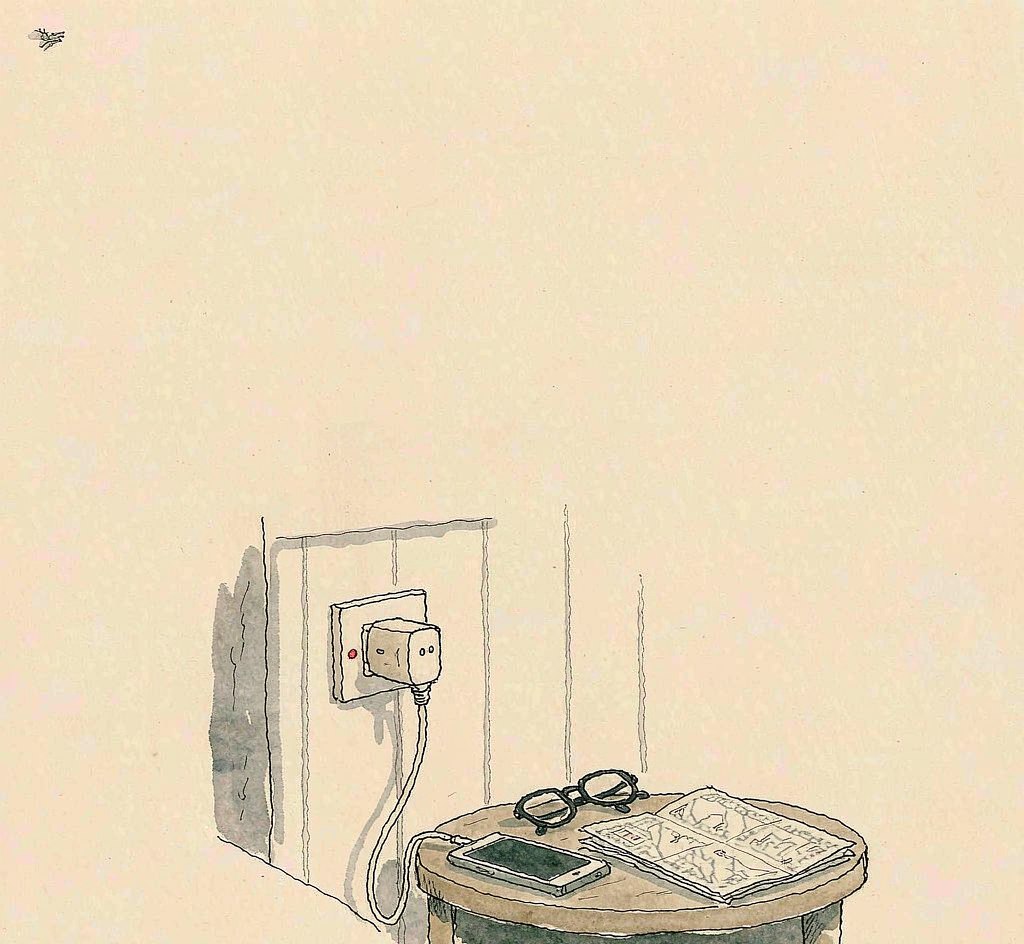
on flights: since 28 June 2025, the civil aviation authority bans any power bank without a clear 3C certification mark, any recalled model, and any bank with an unclear rating from domestic flights, on top of the standing limits: rated energy up to 100Wh needs no approval, 100 to 160Wh needs airline approval with a two-bank cap, above 160Wh is prohibited outright. power banks ride in carry-on only, never checked luggage, and using one to charge devices during the flight is banned even when the bank itself is compliant.
on trains: the railway catalog only cares about rated energy. a clearly labeled power bank at or under 100Wh rides the high-speed network without questions; the 3C mark is not checked there.
the practical move for a traveler arriving by air: bring a clearly labeled bank at or under 100Wh, keep it in your personal item, and if the label is worn off, buy a new one, the check at Chinese airports is strict and confiscation is the outcome.
wall power is friendlier than most guides make it sound. the national standard (GB 1002, latest revision in force since August 2025) defines a socket that accepts both flat two-pin plugs of the US shape and the angled three-pin Australian shape, at 220V and 50Hz. almost every charger made this decade is rated 100 to 240V and needs no converter; check the fine print on your plug. you need one universal adapter unless your devices already end in those two shapes. hair dryers and straighteners bought for North American 120V outlets are the classic exception, they burn out at 220V, so either convert or leave them.
What customs stops at the door
a joint catalog from the ministry of agriculture and customs (announcement No. 470) bans a list of animal and plant products from entry, and travelers get caught by the everyday items on it:
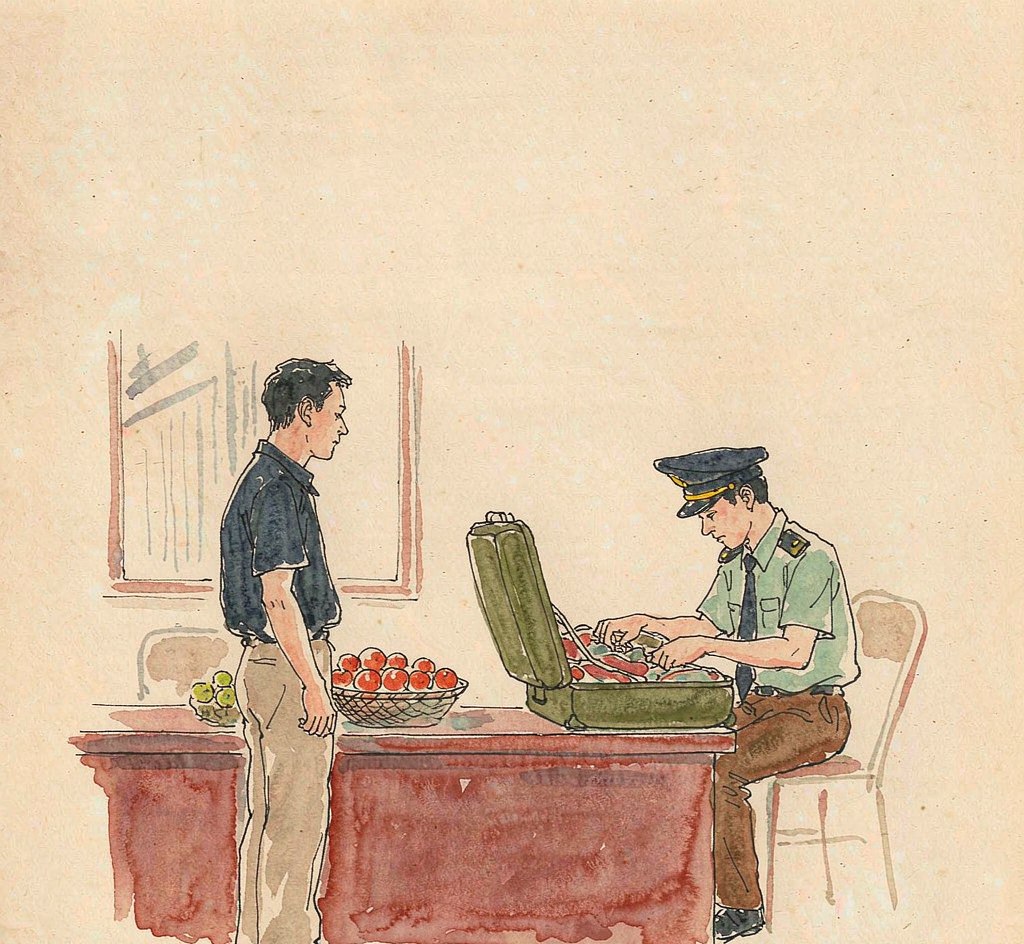
never in your bag: fresh fruit and vegetables, meat in any form raw or cooked including sandwich fillings and jerky, eggs and anything made from them, milk products including cheese, and bird's nest (the canned, commercially sterilized kind is the one exception). a sandwich bought at a connecting airport counts. pets are limited to dogs and cats, one each, with quarantine paperwork.
cash limits: foreign currency over US$5,000 equivalent must be declared in writing on arrival, and Chinese yuan is capped at RMB¥20,000 per person per crossing. for a normal tourist trip neither line comes close, RMB¥2,000 to 3,000 in small notes is plenty of backup, see the money section below.
duty-free anchors for arrival: 400 cigarettes or 20 cigars or 500g of tobacco, and 1.5 liters of alcohol above 12% (halved if you arrive from Hong Kong or Macao). e-cigarette devices count two per person with cartridge limits.
prescription medication has no blanket ban, but controlled ingredients are a real boundary: keep medicines in original packaging, carry the prescription or a doctor's letter in English, and pack them in carry-on. if your medication contains anything you would describe as a stimulant or sedative, check with the embassy or customs before flying rather than at the counter.
Cash, cards, and the app layer
China is a phone-first payment country, and the packing question is only what fails when the phone dies or the network hiccups. the answer: RMB¥200 to 500 in small notes covers markets, tiny restaurants, and the rare terminal outage. merchants are required to accept cash, so it works as a fallback, it is just rarely the fastest path. the main setup, an international card linked to Alipay or WeChat Pay, takes minutes and is covered step by step in the Alipay walkthrough.
connectivity is the other half of the app layer. your eSIM or SIM decision affects whether Google Maps, WhatsApp, and your bank's app work on arrival, and the SIM and eSIM guide compares the options. download offline hotel addresses in Chinese characters before you fly; a screenshot of the booking confirmation has rescued more arrivals than any gadget on any list.
What to wear, month by month
China is not one climate. the search data shows it plainly: "what to pack for china in {month}" is the single biggest long-tail pattern, so the table below carries it. temperature anchors follow the five-city table in the month-by-month timing guide, same source and same period (1992 to 2021 normals), so the two pages agree with each other.
| Month | Pack this | Watch for |
|---|---|---|
| Jan to Feb | Real winter kit: insulated jacket, thermal base layers, gloves, hat. South gets damp cold without indoor heating. | Spring Festival travel crush; some attractions close early |
| Mar | Layers plus a windproof jacket. North still cold mornings. | Dust and sand can reach Beijing; rain starts in the south |
| Apr to May | The easy window: light layers, one warmer layer for evenings, comfortable shoes. | Sudden showers; umbrella season begins in the south |
| Jun to Aug | Breathable fabrics, sun hat, sunglasses, sunscreen, insect repellent. Quick-dry beats cotton. | Heat plus humidity, air-conditioning set aggressively cold indoors |
| Sep to Oct | Layers again: warm afternoons, cool evenings, one light jacket. | Golden Week (1 to 7 Oct) crowds and peak prices |
| Nov | Warmer layers moving north; the south is still mild. | Shorter days, heating season begins mid-month in the north |
| Dec | Full winter kit for the north; layered warm wear for the damp southern cold. | Harbin ice season starts, pack for it or skip it |
three packing details that show up in every experienced traveler's list: a light layer for air-conditioned trains and malls in summer, walking shoes already broken in because days run long, and modest coverage for temple visits. laundry is a solved problem in cities, hotels handle same-day service cheaply, so seven days of clothes covers a month if you plan a wash.
Medications and daily comforts
pharmacies are everywhere in Chinese cities, but brand familiarity is not. the items travelers consistently fail to replace locally: their specific sunscreen formula, contact lens solution in their brand, deodorant (the local market skews different), and tampons outside tier-1 cities. pack your preferred version of those four and buy everything else on arrival.
two bathroom facts shape daily carry: many public toilets lack paper, so a packet of tissues rides in the bag every day, and tap water is not for drinking, hotels provide kettles and bottled water is everywhere, so a reusable bottle you refill from those is both cheaper and lighter than hauling fluids through the airport.
What to leave at home
the items most likely to be confiscated: the unmarked power bank, the airport snack containing meat, the drone you have not registered. the items that waste space: towels (every hotel has them), shampoo and soap (every shop has them), more than a week of clothes (laundry is cheap), paper guidebooks (your phone does better), and cash beyond the small backup noted above.
one more habit worth adopting instead of one more gadget: keep the passport, the backup card, and RMB¥500 in a single pocket that never gets checked into luggage. delayed checked bags are rare but not fictional, and everything genuinely hard to replace fits in that pocket.
Common questions
Do I need a voltage converter in China?
Almost certainly not for electronics. China runs 220V at 50Hz, and phone, laptop, and camera chargers made this decade accept 100 to 240V, which is printed on the plug. You need a converter only for single-voltage appliances like some hair dryers, or you simply leave those home.
Can I bring my power bank to China?
Yes, with a clear energy label at or under 100Wh it flies and rides trains without issue. On domestic flights it must also carry a visible 3C mark, a rule enforced since 28 June 2025, so an old bank with a worn-off label is a liability. It goes in carry-on only.
How much cash should I bring to China?
RMB¥200 to 500 in small notes is a sensible backup for a short trip, since QR-code payment covers nearly everything. You must declare foreign currency over US$5,000 equivalent on arrival, and yuan carries a RMB¥20,000 per-person limit, but a normal tourist never approaches either line. The arithmetic behind that advice, and the point where a card beats a phone, is in how to pay in China.
Can I take snacks into China?
Fresh fruit, vegetables, meat in any form, eggs, and dairy products are all on the customs ban list, and that includes a sandwich from your connecting airport. Packaged biscuits, chocolate, and tea are fine. The fines are small but the bag search delays your arrival.
What gifts can I bring into China?
Safe picks: chocolate, tea, coffee, packaged sweets, and small electronics. Do not bring bird's nest, jerky, or any meat or dairy-based gift, those are prohibited at the border regardless of how well they are wrapped. Alcohol and cigarettes fit the duty-free allowances.
What should I wear in China as a foreigner?
Whatever you wear at home in the same season; nobody is checking your wardrobe. Practical beats fashionable: walking shoes for long sightseeing days, layers for aggressive indoor air-conditioning in summer, and covered shoulders and knees for temple visits.
Is tap water safe to drink in China?
Not untreated. Boiled water is standard, hotels provide kettles, and bottled water is cheap and everywhere. Locals drink hot water as a habit for the same reason. A reusable bottle refilled from the kettle or big bottles covers a whole trip.