China's hardest-to-enter sights do not sell tickets at the gate. The Forbidden City releases forty thousand places a day, exactly seven days ahead, at eight in the evening, through one app. Miss the release and the next seven days sell out around you. This guide covers the system as it stands after the 2024 cancellation wave: what still needs booking, what no longer does, and where travellers lose their ticket before ever reaching the wall.
the first thing to absorb about sightseeing in china is that the ticket window at the entrance is mostly a relic. the big names run on reservation systems tied to your passport number, released on a fixed schedule days in advance, checked against your original document at a turnstile. the second thing is that the system got simpler in twenty twenty four, when beijing, shanghai, suzhou, hangzhou and other cities cancelled reservations for most ordinary attractions. what remains is a short list of heavyweight venues, and the list is where every booking failure lives.
this guide follows that list. the palace museum gets the longest treatment because it is the hardest gate and the most misunderstood. the national museum, the terracotta army and the other holdouts follow, then the reseller trap, then a checklist you can run the night before.
The reservation rule, and who escaped it
through twenty twenty three nearly everything famous required a real-name reservation, and travellers without a chinese phone number or payment app got stuck at the last step repeatedly. in twenty twenty four the state pushed the other way. beijing's tourism authority announced in june that year that all city attractions except a handful of heavyweights, the palace museum and the national museum among them, dropped the reservation requirement. shanghai exempted all but twenty-nine venues from three thousand plus. suzhou kept booking for the humble administrator's garden, lion grove, tiger hill and the suzhou museum main hall, and cancelled it for everything else. hangzhou dropped it across its a-list except museums, and chengdu kept eight venues on the list including the panda base and the jinsha site. the cultural heritage regulator told museums the same summer that any venue not needing reservation for crowd control should simply cancel it.
the practical outcome for a visitor: most parks, temples and mid-size museums are walk-in again, and the reservation burden concentrates on roughly a dozen superstar venues. the ones that matter most to first-time visitors are the palace museum, the national museum, the terracotta army site, and the suzhou museum. everything on that short list shares three features: real-name booking, a release time days in advance, and entry only with the original document the booking was made on.
The palace museum, number by number
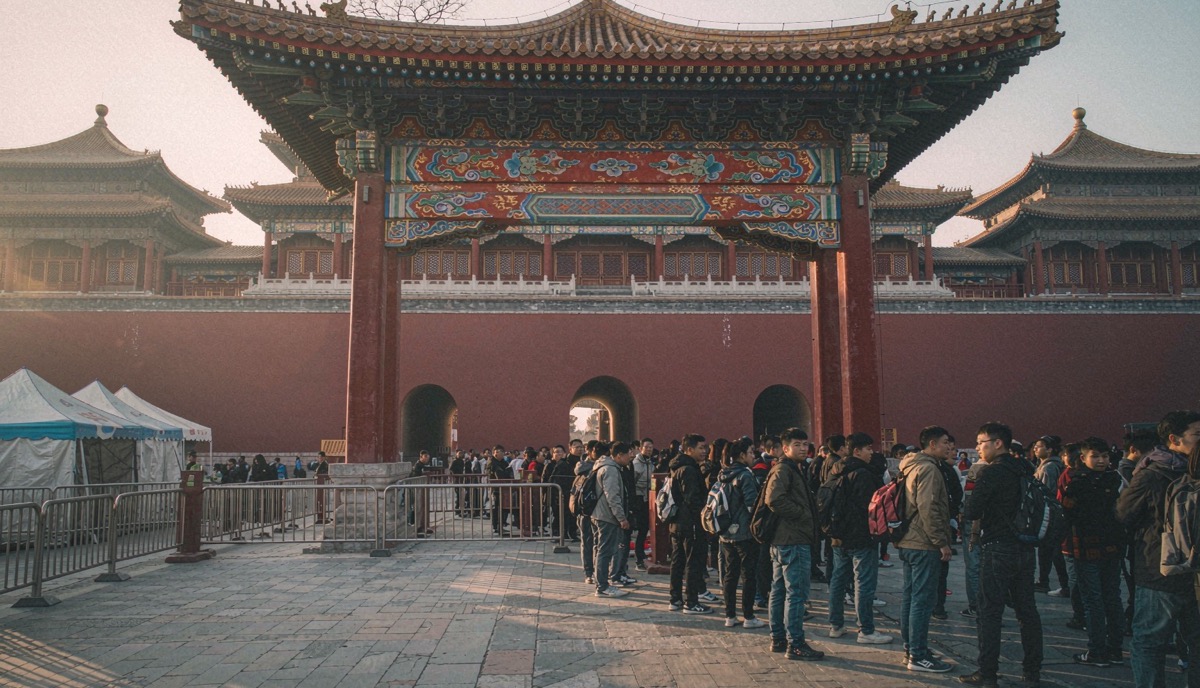
the palace museum publishes its whole regime on its own ticket page, and every clause catches a different traveller. sales open seven days before the visit date, at eight in the evening, and the museum sells no tickets on the day itself. forty thousand visitors are admitted daily. admission runs to five in the afternoon in the april-to-october season with last entry at four, and to four thirty in the november-to-march season with last entry at three thirty. the museum closes every monday, national holidays excepted. entry is through the meridian gate only, exits through the north and east gates.
| Item | Figure |
|---|---|
| Tickets released | Seven days ahead, 20:00, no same-day sales |
| Daily cap | 40,000 visitors |
| Admission, high season, April to October | RMB¥60 |
| Admission, low season, November to March | RMB¥40 |
| Treasure gallery, clock gallery | RMB¥10 each |
| Closed | Mondays, national holidays excepted |
| Entry check | Original passport, Meridian Gate only |
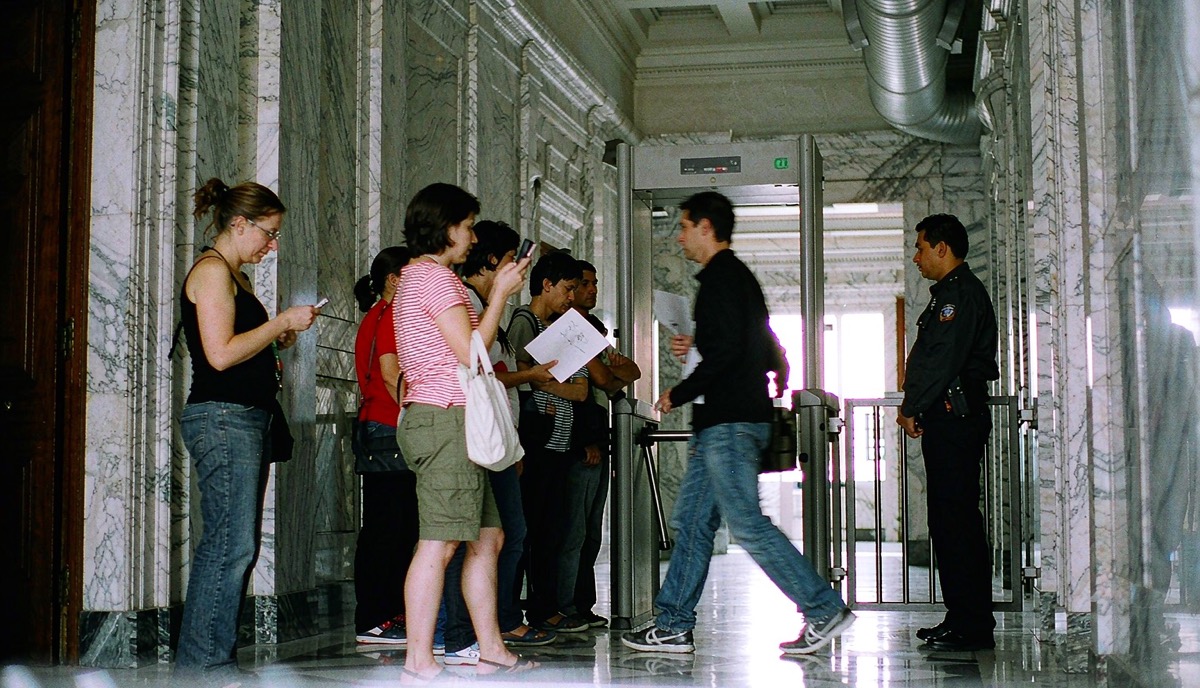
foreign visitors book with a passport number, the same document every other visitor uses an id card for, and one document buys one ticket per day. the booking binds to the visitor: no changing the date, the time slot, the ticket type or the person after purchase. morning slots must pass the gate by noon; afternoon slots cannot enter before eleven. two side galleries, the treasure gallery and the clock gallery, cost ten yuan each on top and are booked in the same transaction.
concessions exist and travellers occasionally qualify: students up to undergraduate level pay twenty yuan with a student card, visitors over sixty pay half with the original document, and children under eighteen who hold permanent residence in china enter free. a foreign tourist on a standard visa is an adult full-price case.
Three failures that happen before the gate
the first failure is arriving without a booking and expecting the day to work out. there is no same-day sale, no cash window, no queue to join. the ticket for tomorrow appears at eight tonight, and the popular dates, weekends and the first days of the golden week holidays, sell out within hours of release. the second failure is booking with a wrong or expired passport, or with a newer passport than the one in hand: the turnstile check reads the original document against the booking, and a mismatch is a refusal at the wall, not a fee. the third failure is the time slot. a morning ticket holder who lands at the gate at one in the afternoon is turned away, because the morning slot closes at noon and the afternoon slot opens at eleven.
the booking system has teeth for no-shows too. a ticket cancelled before the day before the visit costs nothing. cancel on the visit day and it counts as one missed appointment, and three of those inside a hundred and eighty days lock the passport out of palace bookings for sixty days.
The national museum: free, and harder to get
the national museum on the east side of tiananmen square charges nothing and behaves like the toughest ticket in the city. reservations open seven days ahead and drop at five in the afternoon each day, in three entry windows. the rules printed on its booking page since august twenty twenty five are tight: one booking per account per week, up to five people per booking, and a single document may book four times a month at most. three no-shows suspend the document for thirty days. entry closes at four in the afternoon, and the museum, like the palace, closes mondays, extending to five thirty during the june-to-october peak. the ticket is checked at the north entrance against the original document, so the passport that made the booking is the passport that walks in.
The other holdouts
the terracotta army site outside xi'an runs real-name booking for every visitor including foreigners, through its own website and official social-media channel, and its ticket covers both the pits and the mausoleum park, with a free shuttle between them. high season runs from mid-march to mid-november. the walk-in alternatives for a visitor with no booking are bus tours that resell slots at a markup, which is the trap described below. the suzhou museum main hall and the humble administrator's garden keep reservations; the panda base in chengdu does too, and its slots vanish fastest on holiday mornings. the rule of thumb after the twenty twenty four reforms: assume booking, and let the official page prove otherwise. where a venue needs no reservation, a ticket window or a scan-and-pay gate still exists at the entrance.
The reseller premium
the palace museum states plainly that it has authorised no third party or individual to sell or reserve its tickets or exhibitions. every agency, tour operator or social-media seller offering a guaranteed palace slot is running a resale, usually at several times face value, and the booking underneath is real-name, which means the name on the entry list may not be yours. the failure mode is paying a markup and then being refused at the meridian gate when the passport does not match the booking. the same logic applies at the other holdout venues. the official channels are a mini program and a web page, they take foreign passports, and they charge face value with no markup.
The night-before checklist
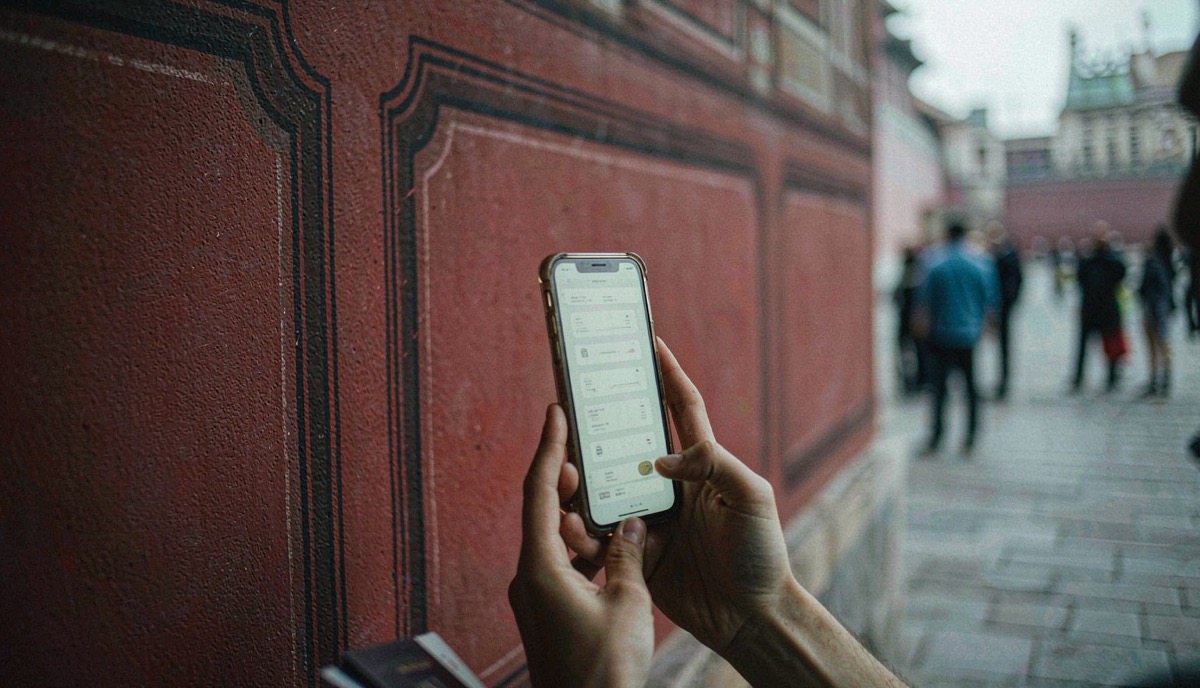
the sequence that works: decide the visit date at least eight days out, counting mondays out of the running; set a reminder for the release time, eight in the evening for the palace, five in the afternoon for the national museum; book on the official mini program with the exact passport that will travel, letter for letter; screenshot the confirmation in case the app is slow at the gate; and carry the original passport on the day, not a copy, not a phone photo. the packing guide covers what else belongs in that day bag, and the payment apps that cover the ticket fee are the same two everything else runs on, covered in the guide to paying in china. for timing the trip around the crowds rather than the booking clock, see when to visit and the holiday calendar, because golden week releases vanish fastest.
Common questions
Can I buy Forbidden City tickets on the day?
No. The palace museum sells no same-day tickets at all. Sales open seven days before the visit at eight in the evening through the official mini program, and the forty-thousand daily cap means popular dates sell out within hours.
Can foreigners book with a passport?
Yes, on the official channels. One passport number buys one ticket per day, and the original passport must be shown at the meridian gate turnstile, so the booking passport and the travel passport must match exactly.
Is the Forbidden City closed on Mondays?
Yes, every monday except national holidays. The same monday rule applies at the national museum and most state museums, so a monday arrival should not have either on the plan.
Do I still need reservations everywhere after the 2024 changes?
No. Beijing, Shanghai, Suzhou, Hangzhou and other cities cancelled reservations for most ordinary attractions in 2024. The holdouts are the heavyweight venues: the palace museum, the national museum, the terracotta army site, the suzhou museum and a handful more.
Are tour-operator tickets a safe shortcut?
No for the holdout venues. The palace museum has authorised no third party to sell or reserve its tickets, and bookings are real-name, so a resold slot often carries a name that is not yours and ends in a refusal at the gate. Official channels charge face value.
What happens if I miss my time slot?
A morning slot closes at noon and an afternoon slot opens at eleven; outside your window the gate turns you away and the ticket is spent. Cancelling on the visit day counts as one no-show, and three no-shows in one hundred and eighty days block new bookings for sixty days.